
Preventive and Curative Fungicides – An Overview
Effective crop disease management depends on understanding the roles of preventive and curative fungicides. Each type plays a distinct role in protecting plants from fungal and bacterial infections.
Bordeaux Mixture – Preparation & Application
Copper Sulphate (Powder or Crystals) mixed in 1:1 proportion with Akarshana® Lime in 100 litres of clean water (50 litres Copper Sulphate solution + 50 litres Lime solution), when thoroughly stirred, forms Bordeaux Mixture—a proven organic fungicide.
When sprayed on foliage, it effectively protects crops such as Coffee, Arecanut, Nutmeg, Cardamom, Pepper, Vanilla, Orange, Pomegranate, Grapes, Plantations, Garden lawns, and other crops from a wide range of fungal diseases.
Spray Schedule & Recommendations
-
Method: Foliar spray
-
Best time for application:
-
Post-monsoon
-
During periods of heavy rainfall, especially May end, June, July, August, and September
-
-
Frequency:
-
2 to 3 sprays are recommended during heavy monsoon conditions to ensure strong and lasting protection
-
Preventive (Contact) Fungicides
Preventive fungicides, also known as contact fungicides, prevent the development of pathogens on the plant surface before infection occurs. They form a protective chemical barrier that does not allow fungi to establish themselves on plant tissues.
- Applied before disease development
- Remain on the plant surface without penetrating tissues
- Prevent yield loss by stopping infection early
- Reduce plant energy spent on disease defense
- Often described as “insurance” fungicides
Since these fungicides must be present prior to infection, timely application is essential. When applied correctly, no disease symptoms appear on the crop.
Curative (Eradicant) Fungicides
Curative fungicides are applied after infection has occurred and are sometimes referred to as having “kickback” activity. Kickback activity is defined by the number of days after infection during which the fungicide remains effective.
The effectiveness of curative fungicides depends on factors such as the stage of fungal growth, the plant’s ability to metabolize the fungicide, and the level of systemic movement within the plant.
Overreliance on curative fungicides can increase selection pressure on pathogens, leading to resistance. Established infections may also prevent crops from reaching their full yield potential.
Bordeaux Mixture
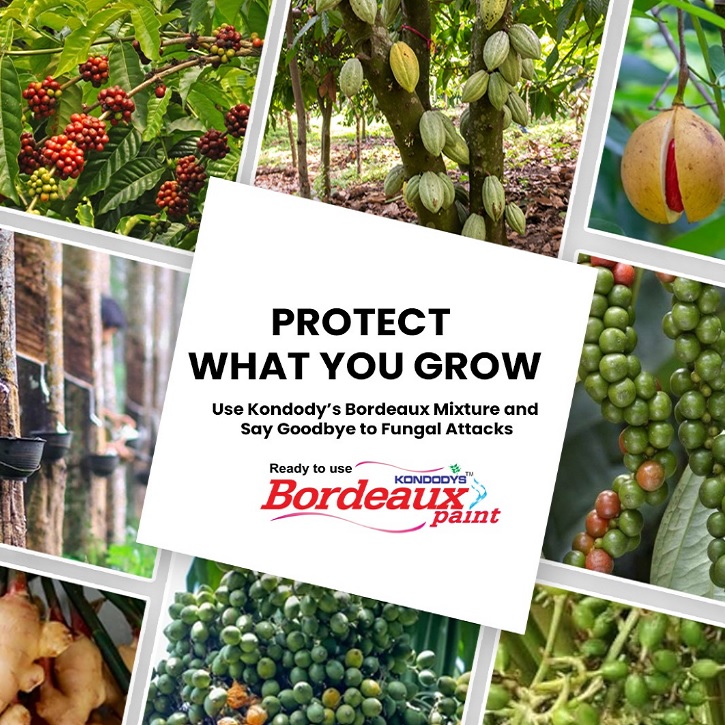
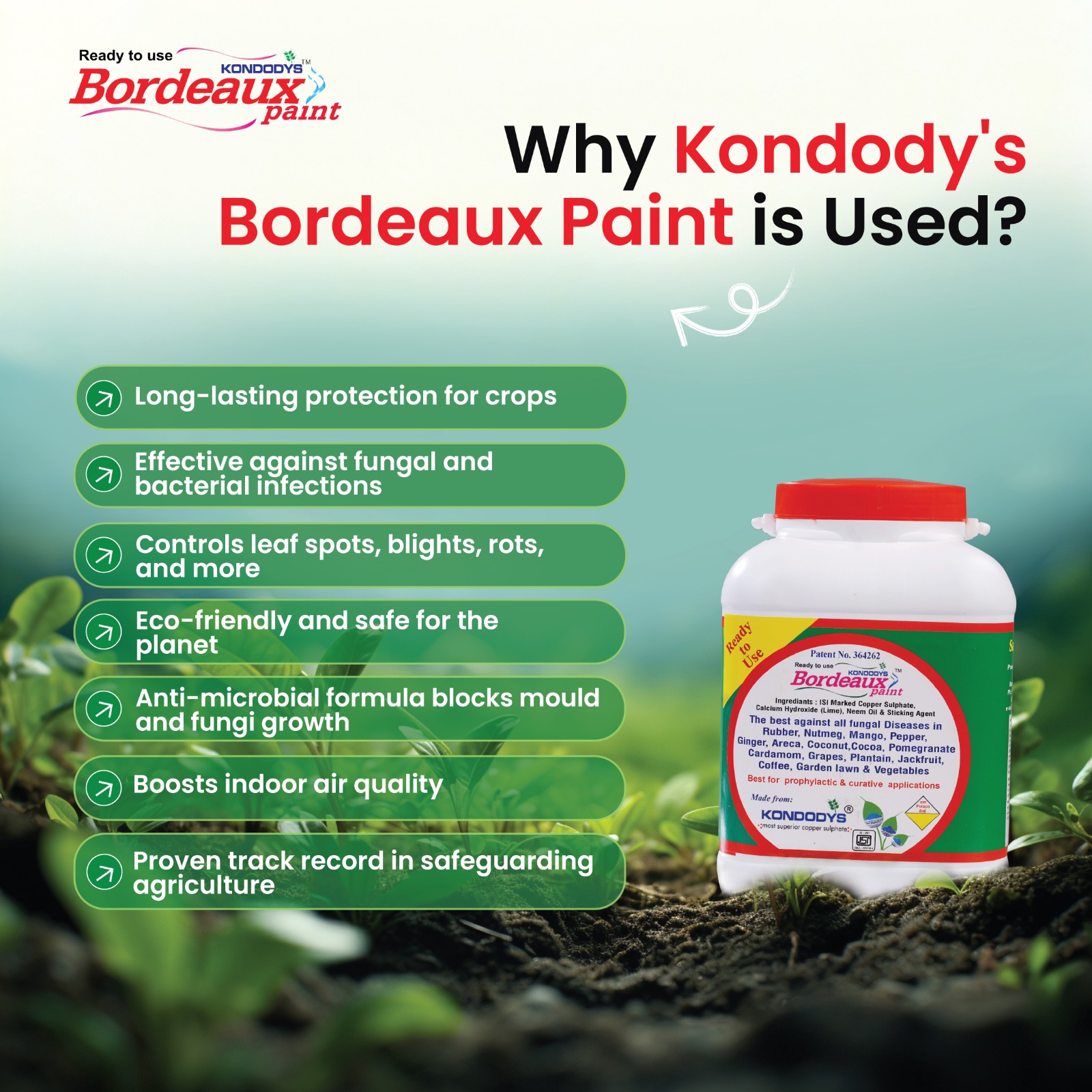
Bordeaux mixture is a proven fungicide and bactericide known for its broad-spectrum disease control. It acts as a preventive treatment by inhibiting disease development before fungi or bacteria enter the plant.
- Broad-spectrum protection
- Long residual action
- Excellent adhesion to plant surfaces
- Resistant to wash-off by rain
- Successfully used for over 100 years
Bordeaux mixture is effective against leaf spots, blights, rots, anthracnose, downy mildew, and cankers. Preventive application of Bordeaux mixture is traditionally preferred over systemic fungicides.
Copper Sulphate
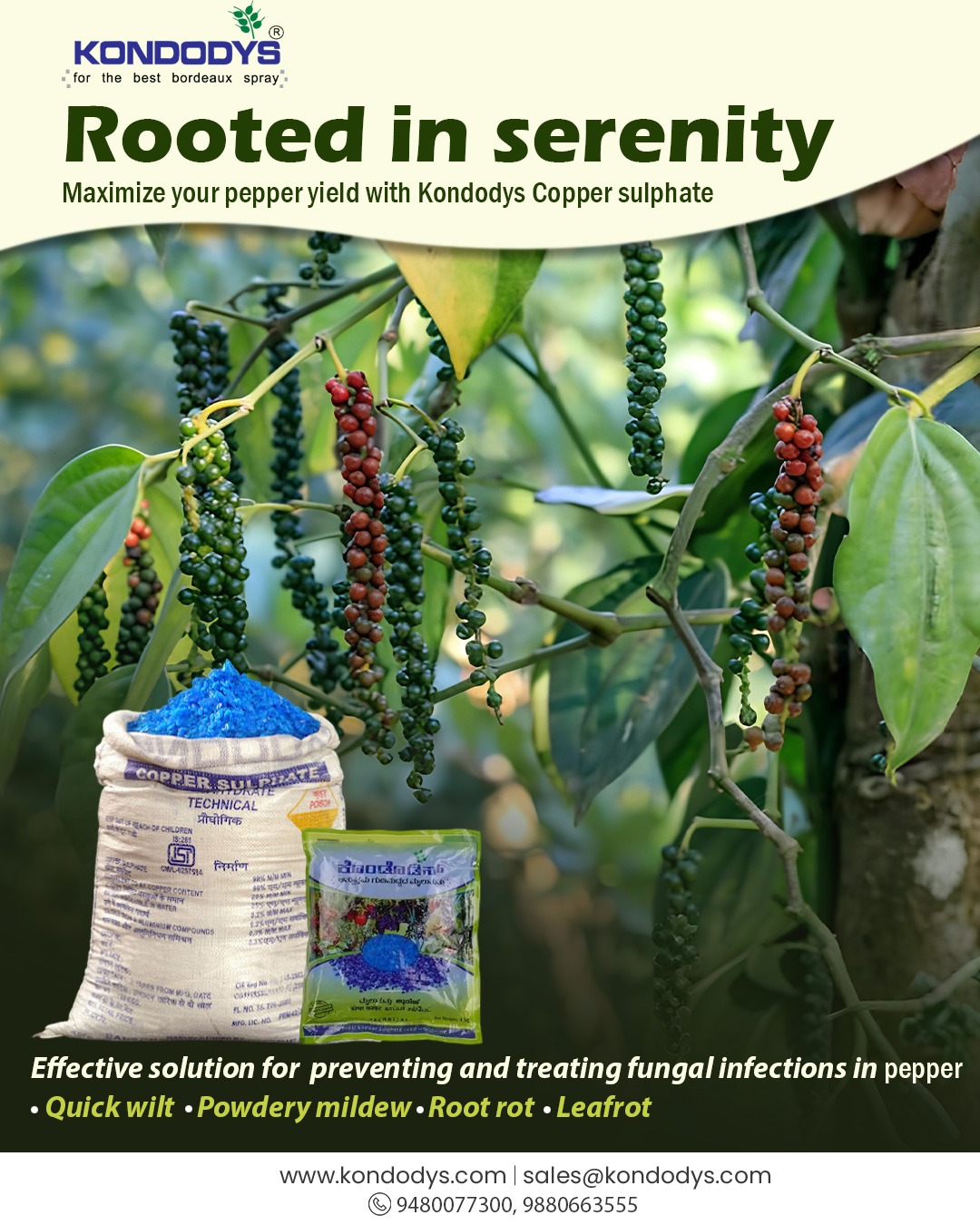
Copper sulphate is widely used to control bacterial and fungal diseases in fruit, vegetable, nut, and field crops. It plays a key role in crop protection programs worldwide.
Diseases controlled by copper sulphate include mildew, leaf spots, blights, and apple scab. It is commonly used in the preparation of Bordeaux mixture and functions as a protective fungicide.
Applications of Copper Sulphate
- Preparation of Bordeaux and Burgundy mixtures
- Control of fungal and bacterial plant diseases
- Agricultural disease prevention programs
- Applications in agriculture and allied industries